Building brain-inspired computing architectures for real-world engineering problems — from battery management on electric vehicles to fault detection in industrial systems. My work bridges spiking neural networks, FPGA hardware, and edge AI deployment.
My research program sits at the intersection of neuromorphic engineering and industrial intelligent systems, with a focus on making spiking neural networks practical for safety-critical, energy-constrained applications.
Event-driven neural architectures for temporal signal processing, including barrier-hazard dynamics, mixture-of-experts routing, and biologically-grounded information bottleneck theory.
Neuromorphic and hybrid approaches to state-of-charge and state-of-health estimation in lithium-ion batteries for electric vehicles and eVTOL platforms.
Hardware implementation of spiking neural networks on FPGA platforms (Xilinx Kria KV260) for real-time, low-power inference at the edge.
Physics-informed neuromorphic sentinel architectures for cross-domain anomaly detection in battery cells, rotating machinery, SCADA systems, and biomedical signals.
Full list available on Google Scholar and ORCID.
Additional publications in IEEE TIE, IEEE TII, and other Q1 venues. See full list on Google Scholar.
Research featured across major Turkish national media outlets, including television broadcasts and news agencies.
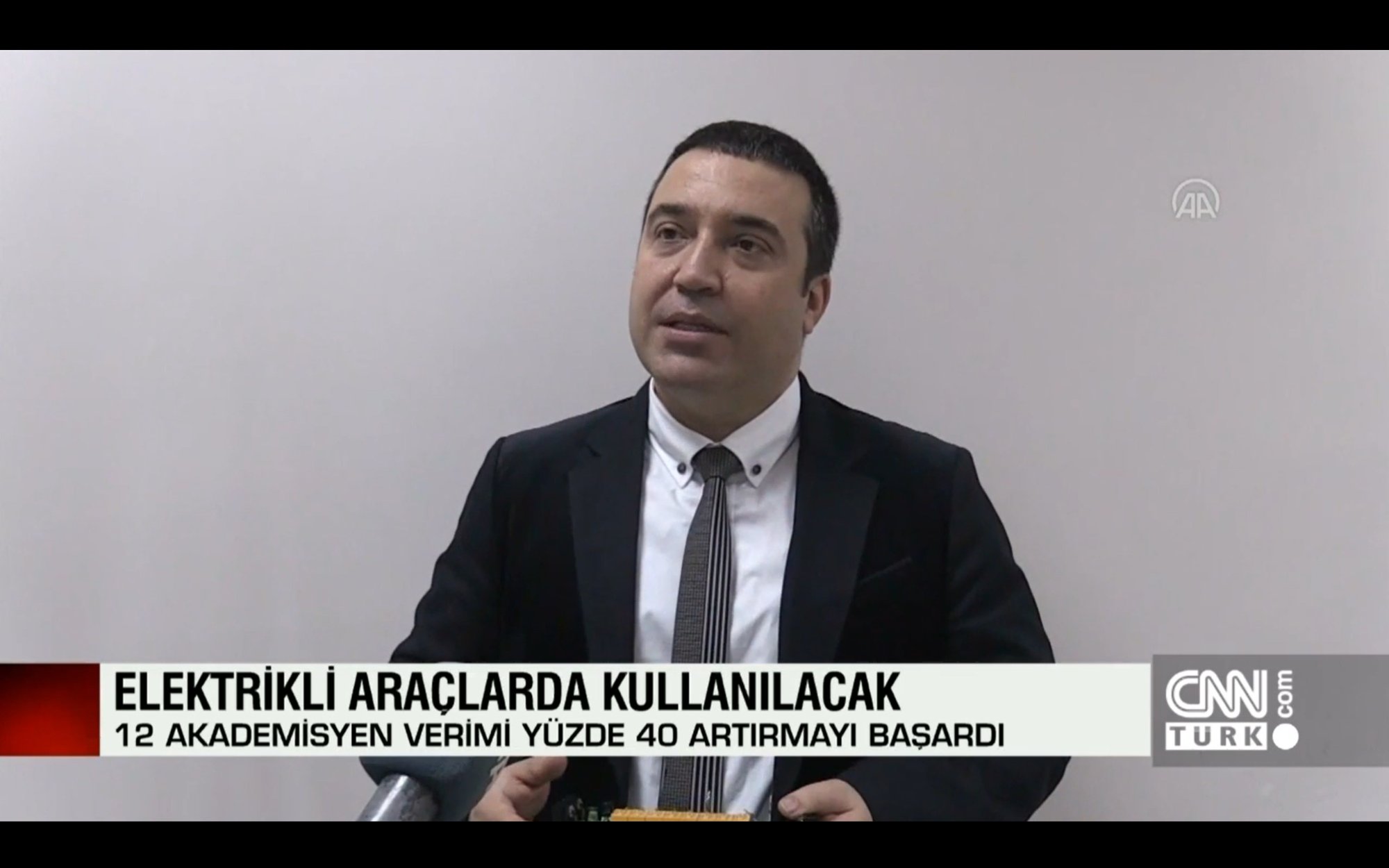
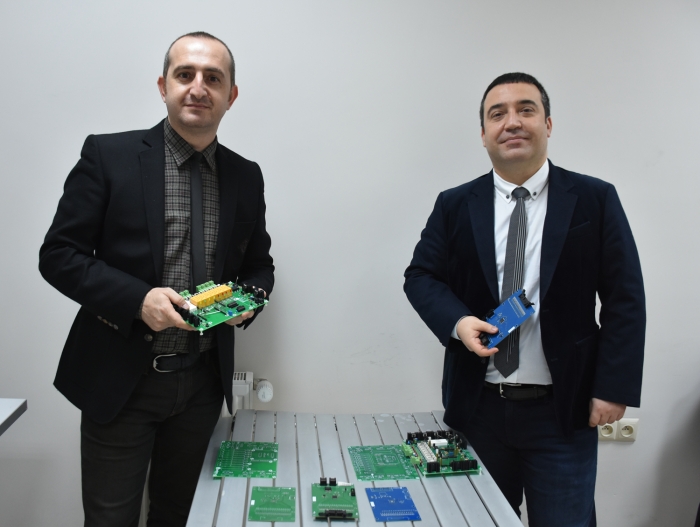
12 researchers achieved 40% efficiency increase in LFP batteries and developed an adaptive BMS capable of automatic cell chemistry identification.
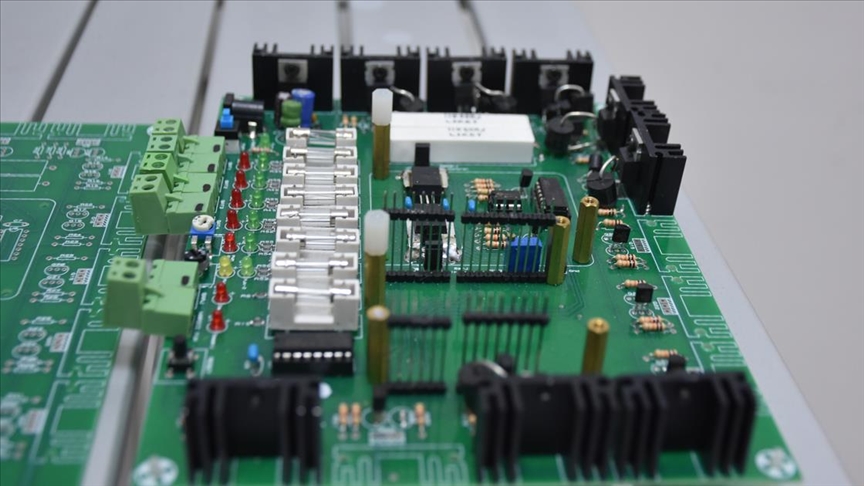
Live television segment showing the BMS mainboard prototype, software interface demo, and battery laboratory at İnönü University.
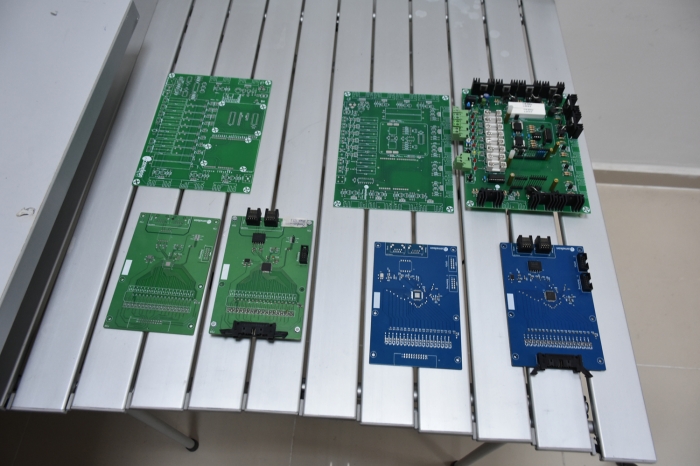
Major national newspaper coverage of the multi-chemistry BMS hardware and patent application filed with TÜRKPATENT.
Original wire story by Turkey's state news agency covering TÜBİTAK-funded BMS development, syndicated to 10+ national outlets.
Coverage highlighting the integrated system enabling simultaneous use of different battery chemistries in a single EV platform.
In-depth interview on the second BMS prototype development timeline and planned integration into the university's EV testbed.
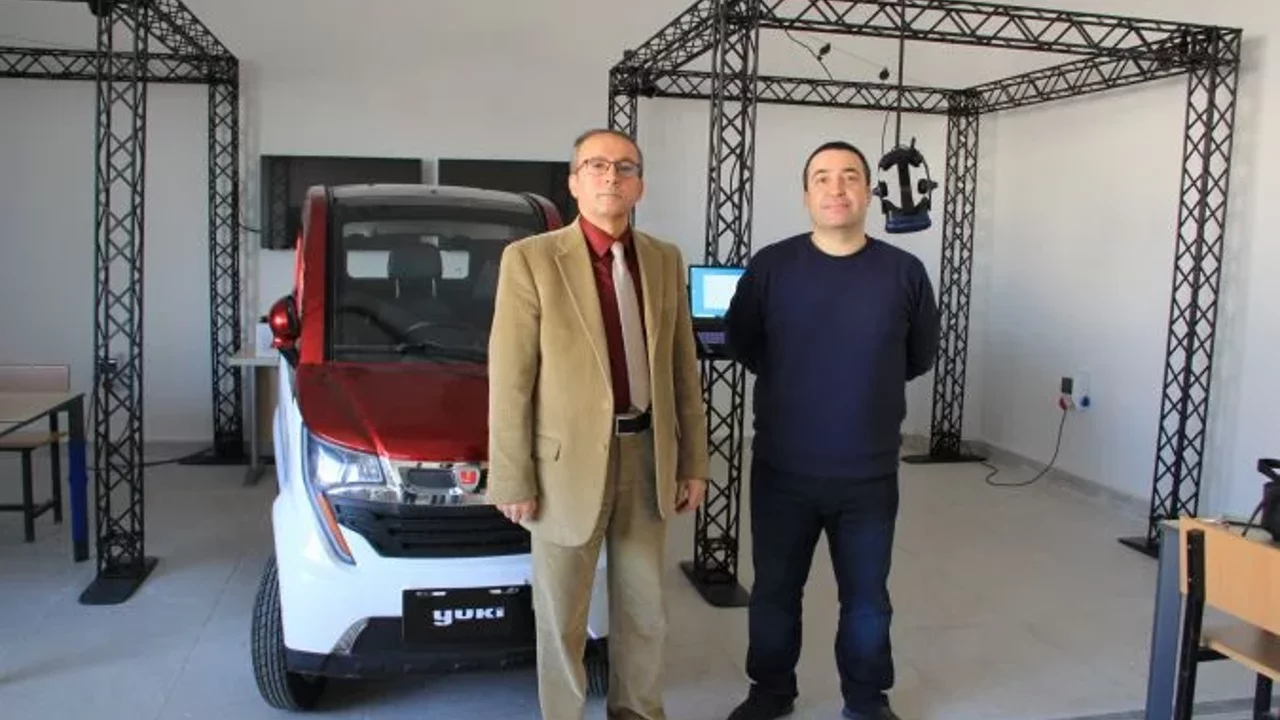
Coverage of Turkey's first virtual simulation laboratory for EV maintenance training, featuring 5 vehicle platforms for hands-on assembly and diagnostics education.
Courses taught across 5 institutions at graduate, undergraduate, and associate degree levels. Instruction in both English and Turkish.
Machine learning fundamentals, metaheuristic optimization, neural network architectures, and engineering applications. Taught 3 consecutive years.
Continuous and discrete-time signals, LTI systems, Fourier and Laplace transforms, sampling theorem, filter design.
Diode circuits, BJT and MOSFET device physics, DC biasing, small-signal analysis, single-stage amplifier configurations.
EV powertrain architectures, battery systems, charging infrastructure, regenerative braking, and BMS fundamentals.
Industry-academia collaboration program delivering EV technology curriculum to electrical engineering students.
7-course certification program via FİGES BuildUp Academy (2023), covering the full model-based design pipeline:
Invited Speaker: Intelligent Transportation Systems
Public science talk for K-12 students organized by TÜBİTAK (The Scientific and Technological Research Council of Turkey), Darende, Malatya.
Innovation tracking at Turkey's first automotive R&D center. Leading cross-functional simulation projects across the full product range.
Led the Electrical and Energy Department while teaching EV-focused courses. Supervised funded research projects. Established Turkey's first virtual simulation laboratory for EV maintenance training.
Founded an R&D startup focused on intelligent battery management systems. Secured TÜBİTAK 1512 funding and developed patented adaptive BMS technology.
Oversaw all workshops including the trolleybus facility, managing vehicle maintenance, fleet electrification planning, and technical operations for the city's public transit system. Supervised 56 employees and served as product owner for the ERP software development project.
Commissioned as Pilot Lieutenant upon graduation from Flight School. Served as SAR pilot operating both jet and helicopter platforms. Deployed to Afghanistan under NATO ISAF as A-5/7 Plans, Exercise and Evaluation Officer (PXEO) at Kabul International Airport, serving under a U.S. Colonel. Awarded the NATO ISAF Medal. Completed MSc in Electronic Engineering (quadrotor flight control) during active service. Departed at the rank of Senior Captain.
RDCONF International Conference on Design, R&D — for development of an intelligent battery management system for electric vehicles, 2021.
Awarded for service during NATO International Security Assistance Force deployment in Afghanistan, 2011–2012.
Complete academic CV with full publication list, grants, and service.
Download CV